
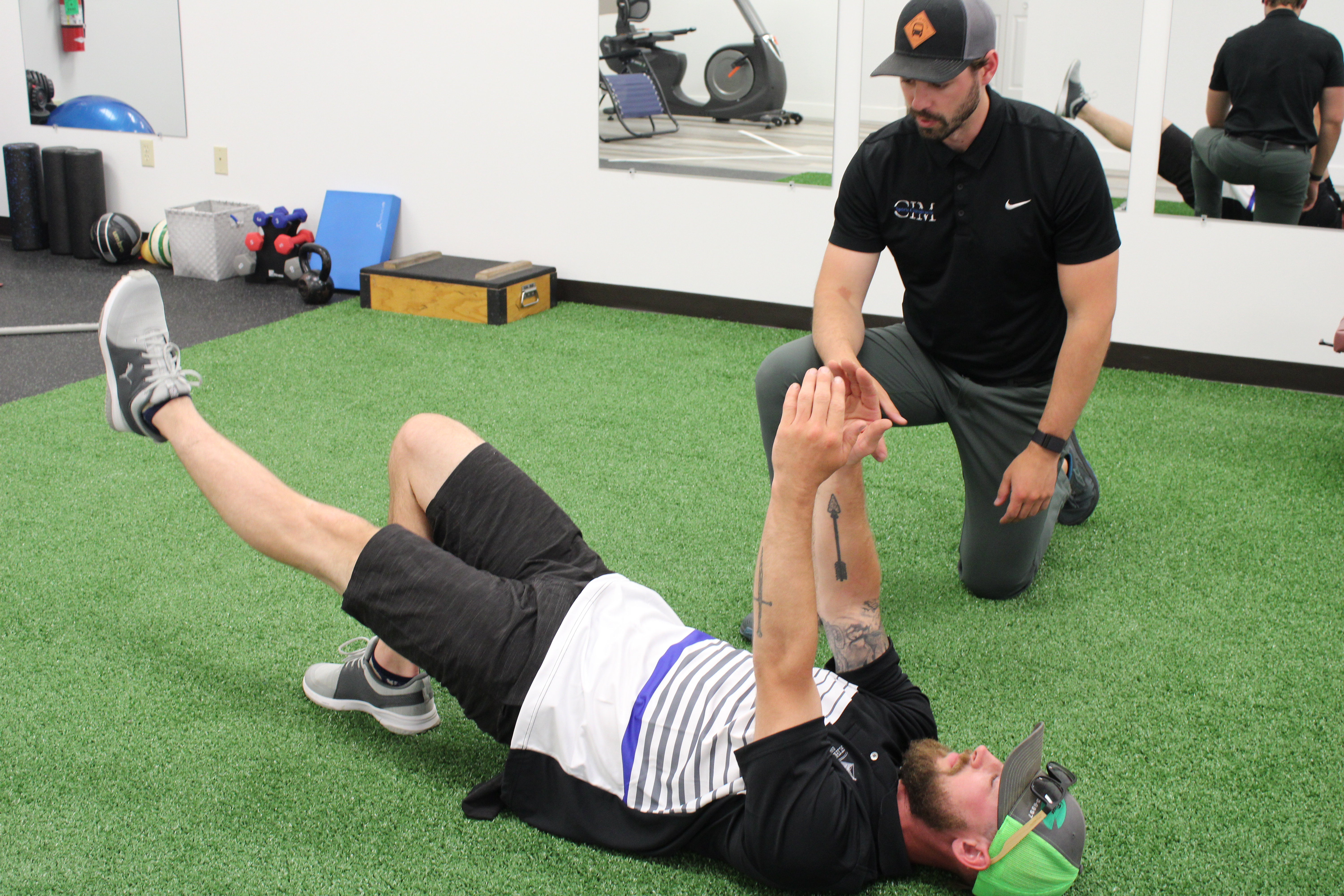
In the realm of sports, athletes are constantly pushing their limits to achieve peak performance. While rigorous training and competitive spirit are essential, the importance of incorporating therapeutic exercise into an athlete’s routine cannot be overlooked. In this blog post, we’ll dive into some of the many benefits that therapeutic exercise offers, helping athletes not only enhance their physical wellbeing but also enhances overall well-being.
Injury Prevention
One of the primary advantages of therapeutic exercise is its role in injury prevention. Athletes often expose their bodies to intense training sessions, making them susceptible to injuries. Incorporating targeted therapeutic exercises into their regimen helps strengthen muscles, improve flexibility, and correct imbalances, reducing the risk of injuries that could sideline their performance.

Enhanced Recovery
Athletes face the constant challenge of recovering quickly from intense workouts and competitions. Therapeutic exercises, such as low-impact movements and stretching routines, facilitate faster recovery by promoting blood circulation, alleviating muscle soreness, and preventing the accumulation of lactic acid. This allows athletes to bounce back faster and maintain consistent training schedules. Other ways to promote blood flow could be muscle scraping, active release technique (ART), cupping, or sports massage.


Improved Range of Motion
Peak athletic performance requires a full range of motion. Therapeutic exercises, including dynamic stretches and joint mobility drills, contribute to improved flexibility and increased range of motion. This not only enhances athletic performance but also prevents the likelihood of injuries associated with restricted movement.

Mental Resilience
The benefits of therapeutic exercise extend beyond the physical realm, positively impacting an athlete’s mental well-being. Engaging in mindful therapeutic exercises can reduce stress, anxiety, and improve overall mental resilience. This dual focus on physical and mental health creates a holistic approach to an athletes well-being.
Targeted Rehabilitation
For athletes recovering from injuries, therapeutic exercise plays a crucial role in rehabilitation. Sports Chiropractors often prescribe specific exercises to address weaknesses, imbalances, or post-injury limitations. These specific exercises aid in a smoother recovery process, ensuring athletes regain strength and functionality gradually and safely.


Therapeutic exercise can be utilized for a variety of conditions which include, but are not limited to, shoulder, knee, low back, and ankle injuries.
Incorporating therapeutic exercise into an athlete’s routine is not just important, but a necessity for sustained success. From injury prevention to enhanced recovery, improved range of motion, and mental resilience, the benefits are vast and impactful. Athletes who prioritize therapeutic exercise are not only investing in their current performance but also laying the foundation for a long and prosperous athletic career. If you want to stay one step ahead of the game and prevent future injuries or want help recovering from an injury, consider contacting a sports chiropractor to build a lasting treatment or injury prevention plan.
Dealing with an Injury?