
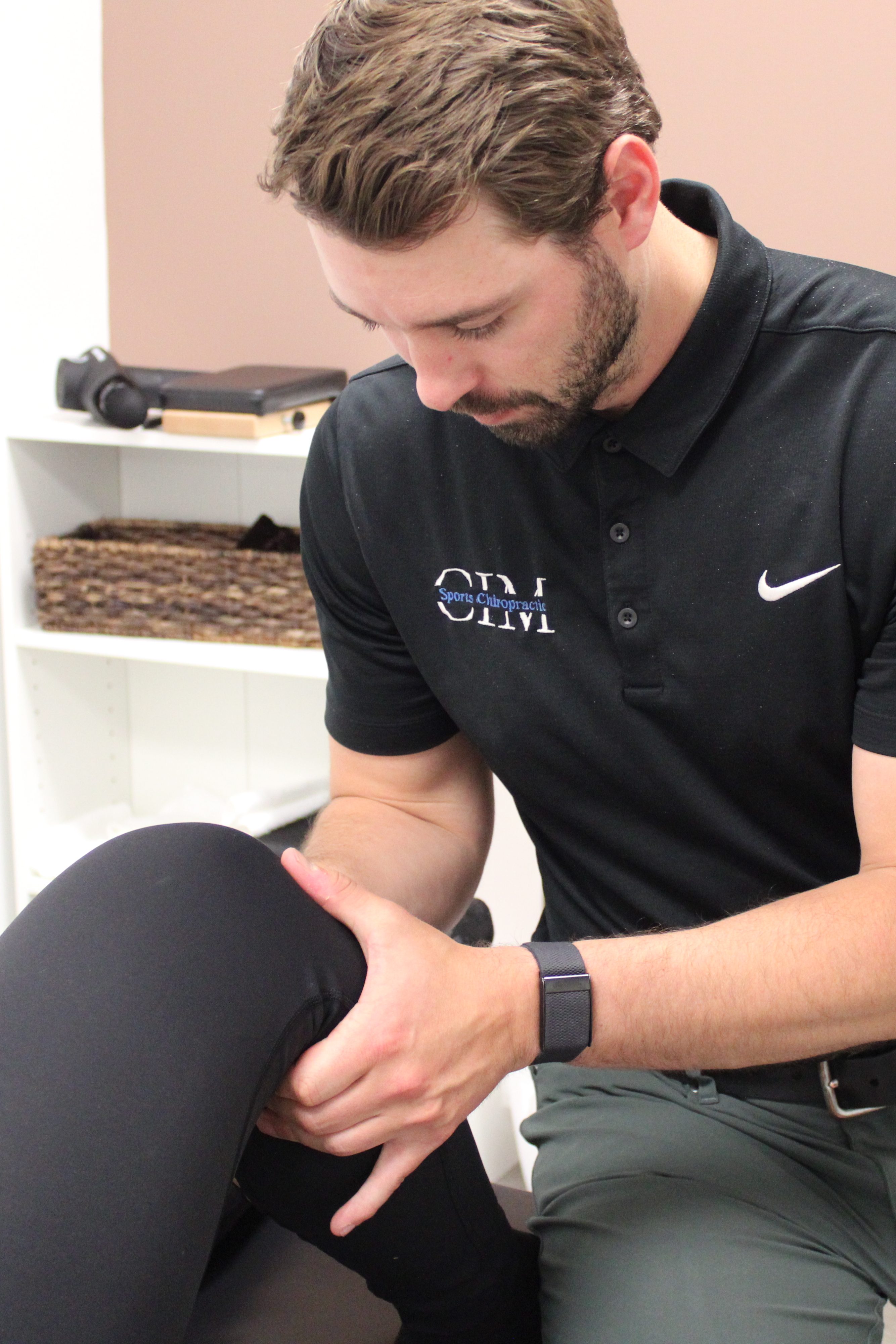
You just took a hard hit in a game. Your quad is throbbing, and someone hands you a bag of ice. But wait—will that ice speed up your recovery or slow it down? The answer isn’t as simple as we once thought.

For decades, athletes and clinicians have relied on ice to manage injuries and promote recovery. However, recent research has sparked debate over whether icing is beneficial or if it might actually hinder healing. The question remains: should athletes continue to ice after an injury, or is it time to rethink our approach?
The Science Behind Icing
Icing, or cryotherapy, is commonly used to reduce pain, inflammation, and swelling in acute injuries. The RICE (Rest, Ice, Compression, Elevation) protocol has been a staple in sports medicine for years. But emerging research suggests that while ice may offer short-term pain relief, it might not always support long-term healing.
Have You Been Told Conflicting Information?
If you’ve ever been injured, you’ve likely heard mixed opinions on icing from coaches, trainers, teammates, and even medical professionals. Some swear by it, while others say it’s outdated and harmful. So, what does the research really say?
Icing Feels Good—But Does It Actually Help?
Research supports several immediate benefits of ice therapy, particularly in acute injury management:
- Pain Reduction: Ice numbs pain receptors, offering temporary relief. Studies suggest ice therapy reduces pain and blood lactate levels, making it a useful tool in the early stages of recovery.
- Immediate Post-Injury Use: Ice appears most beneficial within the first 12 hours after an injury to reduce secondary tissue damage. Recommendations suggest applying ice in 20-30 minute intervals.
- Localized Recovery Techniques: Methods like ice massage can help manage muscle fatigue and soreness, particularly in soccer athletes, by reducing lactate levels. Cold water immersion and ice massage have both been found effective, though ice massage may be more suitable for targeted areas.
- Mild Injury Cases: Some research indicates benefits in less severe injuries, where ice can mitigate excessive inflammation without drastically delaying recovery.
So, Where Does Ice Still Make Sense?
While the debate over icing continues, it’s clear that ice still plays an important role in certain types of injuries.
One of the strongest cases for icing remains in contusions and hematomas, such as a deep quad bruise or post-surgical hematoma. In these cases, ice’s ability to cause vasoconstriction—reducing blood flow to the injured area—can help prevent excessive swelling and pain. Studies have shown that cold therapy can reduce the size and incidence of hematomas and provide significant pain relief. This is particularly relevant in situations where limiting excessive blood pooling and secondary tissue damage is a priority.
However, even in these situations, the application matters. Research suggests that ice should be applied in short intervals (10-15 minutes at a time), allowing the skin to rewarm between applications to avoid potential complications, such as impaired coagulation or excessive cooling of surrounding tissues.
Could Icing Actually Slow Your Recovery?
Despite its widespread use, emerging evidence suggests that icing may impair recovery in several ways:
- Delayed Muscle Regeneration: Animal studies published in reputable Q1 journals with tier-one research indicate that icing delays muscle regeneration by impairing satellite cell differentiation and muscle fiber healing.
- Macrophage Activity Disruption: Icing alters immune response by affecting macrophage activity, which is crucial for proper muscle repair. This could lead to more scarring and weaker regenerated muscle tissue.
- Performance Impairment: Evidence suggests that icing reduces strength, speed, power, and agility only if an athlete returns to activity immediately after icing. Cooling for extended durations (over 20 minutes) appears particularly problematic.
- Conflicting Results in Injury Severity and Icing Frequency: Some studies show benefits in mild cases, but frequent or prolonged icing (e.g., nine treatments within two days) may delay recovery in more severe injuries.
Limitations of the Anti-Ice Studies
- Animal Models: Many studies showing delayed healing are based on animal research, meaning direct applicability to humans is still debated.
- Conflicting Evidence: A 2023 review found inconsistencies in research, suggesting that a tailored icing protocols likely the best approach.
So, Should You Ice or Not?
Here’s the truth—it depends.
While excessive icing may not be ideal for soft tissue healing, there are still injury scenarios where ice is highly beneficial. Muscle contusions (like a quad bruise) and hematomas are clear examples of injuries where the research still strongly supports the use of ice. In these cases, limiting blood flow and excessive swelling can actually improve recovery outcomes.
That said, icing should be applied intentionally—not as an automatic response to every injury. It’s best to evaluate the situation based on the type of injury, the timeline of recovery, and the athlete’s specific needs. For muscle strains or chronic injuries, alternative recovery strategies like active movement, lymphatic drainage, and compression may be more effective in the long run.
Best Practices for Icing Based on Research
- Use Ice Selectively: Ice is most effective in the first 12 hours post-injury for pain relief and secondary tissue damage prevention. Beyond this window, consider alternative recovery methods.
- Avoid Overuse: Prolonged or frequent icing may delay healing. If using ice, keep sessions short (10-20 minutes) and allow tissues to rewarm fully between applications.
- Incorporate Movement: Instead of solely relying on ice, include active recovery techniques like mobility work and lymphatic drainage to facilitate healing.
- Consider Injury Type: Ice is highly beneficial for contusions and hematomas but may not be ideal for muscle strains or tendon injuries. Evaluate the injury before applying ice.
- Progressive Warm-Up Post-Icing: If an athlete must return to play after icing, a proper warm-up is crucial to counteract the temporary strength and agility deficits caused by cooling.
Conclusion: The Evolving Role of Ice in Recovery
The research on icing is divided: while short-term pain relief is well-supported, concerns over delayed healing raise important questions about long-term effectiveness. However, not all injuries are the same.
There are still specific situations where ice should absolutely be used, such as contusions and hematomas, where excessive bleeding and swelling could negatively impact recovery. In these cases, ice remains an important tool for athletes.
Given the conflicting data, the best approach is to tailor icing protocols to individual injuries rather than applying a blanket recommendation. As new research continues to emerge, the best recovery strategies will likely involve a combination of cryotherapy, movement-based rehabilitation, and personalized treatment plans rather than an absolute reliance on or rejection of ice.
Why Choose Chiros in Motion for Injury Recovery?
At Chiros in Motion, we stay on top of the latest sports science research to provide evidence-based treatment plans. Whether you’re recovering from an injury or looking to enhance your athletic performance, our services include Class IV Laser Therapy, muscle work, movement assessments, and personalized return-to-sport programs. Unlike generic online rehab advice, we tailor every recovery plan to the individual athlete’s needs. Book a consultation today and take the guesswork out of your recovery!